Barber of Baadarpur
A film to capture the spirit of life in Indian villages
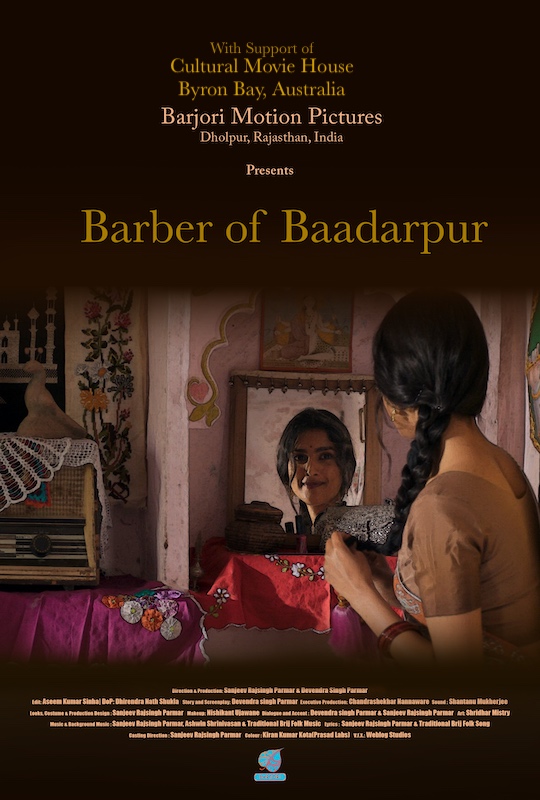
Why this film?
If you have lived in an Indian village, you would remember its spirit. The colours, food and language may change from one part of India to the other but the spirit is remarkably similar. It has wit, humour and a remarkable liveliness intertwined with socio-cultural aspects.
If you have never lived or spent time in an Indian village then you can find a replica of this life in Indian films. This replica varies from film to film – from a very colourful to a very doom and gloom representation of its daily life. A film may show a beautiful girl dancing in the fields in sync with some equally beautiful folk music or it may show a tale of oppression and suffering.
While both of these depictions may represent a certain aspect of the real Indian village life, they largely remain unable to capture its true spirit in its entirety. Good representation of village life in Indian films has remained quite rare even though the presense of village life is ubiquitous in Indian way of living. Roots of all that is authentically Indian can be traced back to some facet of village life. Big & small towns and cities are where the more refined aspects of culture took shape, for sure, but it is the villages where the initial nurturing happened.
When there is a great deal of good cinema showing the nuances of urban Indian life, the gap of a similar representation of rural life looks immensely bigger in contrast. We will dwell on the reasons why this gap exists in the real and reel life of Indian villages but let us lay out what most films if not all of them miss out when showing Indian village life.
These under-represented aspects can loosely be summarized in words such as – wit & humour, joy, liveliness, slower pace, long drawn discussions. Let us expand on each of them.
Language defines the way we think and process our world and our lives. For people living in villages, the language they speak is part of the very fabric of their being. In some cases this language has been with them for centuries and there are no competing or threatening alternative languages, as may be the case in cities. This results in a more nuanced and free use of languages when compared to its use in urban areas.
The role of languages will be further explored in another post. It is important to note that english as a language comes from the colonisers and oppressors, as prevalent and important its use in today’s India is.
People migrating to big cities may have transitioned from a rural language to a different town language or languages and there has also been the pressure of invading languages such as English. The fact becomes more relevant in a multi-lingual country like India. As handy english comes to our daily life, the certain status ascribed to it makes it more than a language. This results in a free-flow of slang, proverbs, phrasal verbs and anecdotes in villages as compared to their equivalent use in towns or cities.
Language in villages is almost a music which flows like a great symphony dealing with the various aspects of daily affairs. This gives the villagers an edge over their urban counterparts as their better and more confident command of one spoken language gives them an unmistakably strong wit and humour. This can be tasted in their everyday conversations as well as more serious discussions.
With villagers so at home with their language, their daily life exhibits a certain joy and liveliness. This joy and liveliness flows through all the hardships they endure, despite the sufferings they bear.
Lack of mechanisation, whether it is a good or bad thing economically, gives the village life a relatively slower pace. This slower pace allows things that demand time – a long drawn discussion, a folk play that can go overnight, an impromptu singing together, a feast that may go for days …
Both village and urban life is dynamic – like rivers whose characters change from place to place and with the flow of time. We can only talk in relative terms when comparing the two; the difference is unmistakable. There is a hardship in village life resulting from a lack of resources & amenities and also from a tighter social structure, yet that does not necessarily translate into psychological suffering. As richness doesn’t necessarily translate into happiness the opposite holds equally true. We are not attempting to justify or support in the least the poverty and discrimination that exists in the villages. The attempt is to show what is, rather than what should be.
Indian writers of the past such as Sharatchandra Chattopadhyay from Bengal show both the aspects in such a balance. As romantic as Sharatchandra was in portraying the beauty of human relationships, one can still sense the hardships of the villagers in his work. This balance is authentic and not just his desire to show it so.
Later writers tried to portray Indian villages more in a European model where the natural joy of daily life, despite hardship is taken away and the average villager is portrayed bereft of her or his natural qualities.
Our film making, informed by our lived experience, attempts to portray the Indian village life in its authenticity and totality; we don’t claim completeness. We have focused more on the happier aspects of village life in an attempt to balance the years of doom and gloom portrayal in the Indian film industry.
चम्बल पार
भारतीय ग्राम्य जीवन की आत्मा को दर्शाने का प्रयास
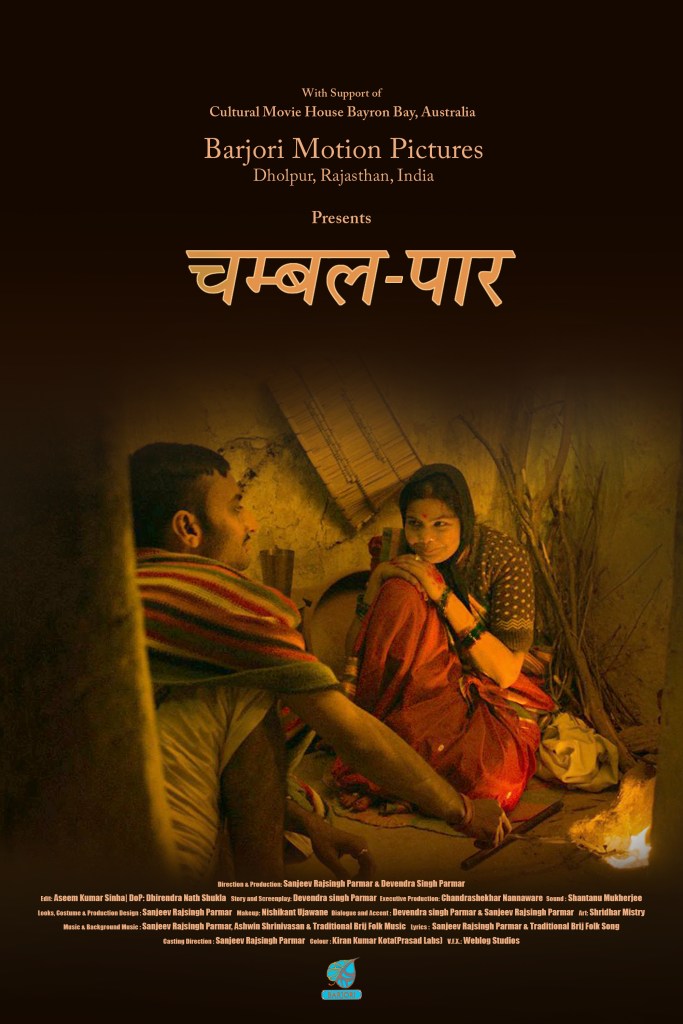
ये फ़िल्म क्यों?
अगर आप भारत के गाँव में रहे हों तो आपको इसका सत्व याद होगा। उसके रंग रूप और भाषा बदल सकते हैं पर भारत के एक भाग से दूसरे सुदूर भाग तक ये सत्व बड़ा एक सा है। इसमें जो हास्य, वाकपटुता और अद्भुत जीवंतता है वो उसके सामजिक सांस्कृतिक ताने बाने में गुँथी हुई है।
यदि आपने इन गाँवों में कभी भी समय नहीं बिताया तो इनका चित्रण आप भारतीय सिनेमा में देख सकते है। ये सिने चित्रण बड़ा विविधता भरा है – रंगों भरे चित्रण से लेकर इसके दैनिक जीवन के नैराश्य और दुःख भरे चित्रण में। कभी ये खेतों में लोक या अन्य संगीत पर नाचती गोरी के रंग बिरंगे नाच को दिखाता है या कभी दबे कुचले वर्ग के दुःख भरे जीवन को।
भले ही ये दोनों तरह के चित्रण गाँव के वास्तविक जीवन के अलग अलग पक्षों को दिखाते हों, पर ये उसके आत्म तत्व को पूर्णता में दिखाने में कमोबेश अधूरे रह जाते हैं। ग्राम्य जीवन के भारत के हर अंग में बसे होने के बावजूद, फ़िल्मों में भारतीय ग्राम्य जीवन का प्रामाणिक चित्रण दुर्लभ सा ही रह गया है। भारतीय जीवन की लगभग सभी मौलिक तत्वों का स्त्रोत ग्राम्य जीवन में मिल जाएगा। निश्चित ही क़स्बों और बड़े शहरों में उसके बारीक और गहरे पक्षों का शोधन हुआ पर ये गाँव ही थे जहां वो तत्व पोषित हुए और पले बढ़े।
जब कस्बाई और शहरी जीवन की बारीकियाँ दिखाने वाला इतना विविधता भरा अच्छा भारतीय सिनेमा बन रहा है तब ग्राम्य जीवन के चित्रण का अधूरापन और भी बड़ा होकर खलता है। वास्तविक और फ़िल्मों के जीवन में ये फ़ासला क्यों है इस पर बाद में चर्चा करेंगे पर आइए हम देखें कि वो क्या है जिसे सभी नहीं तो ज़्यादातर फ़िल्म दिखने में काम पड़ जाती हैं – ख़ासकर ग्राम्य जीवन की बात करें तो।
नहीं दर्शाए जाने वाले इन पक्षों में है – हास्य और व्यंग, जीवंतता, जीवन की धीमी गति, लम्बी बहसें और मेधा।
हमारी बोली भाषा हमारे चिंतन और जीवन के प्रति हमारे दृष्टिकोण को निर्धारित करती है। ग्रामीणों के लिए उनकी भाषा उनकी जीवन के ताने बाने में गुँथी है। कुछ इलाक़ों में तो यही भाषा उनकी साथ सदियों से चली आ रही है और साथ ही साथ उस भाषा का कोई विकल्प या विरोध भी नहीं है, जैसा कि भारतीय शहरों में अक्सर होता है। इस कारण से गाँवों में भाषा शाहर की तुलना में बड़ी बारीकियों के साथ नज़र आती है।
एक और पोस्ट में भाषा की भूमिका की हम और विस्तार से चर्चा करेंगे पर यहाँ इस बात का संज्ञान लेना बड़ा ज़रूरी है कि शहरों में किसी भी रूप में फैली अंग्रेज़ी भाषा उपनिवेशवादियों और आक्रांताओं की भाषा रही है चाहे इसका उपयोग आज के भारतीय जीवन में कितना भी उपयोगी क्यों ना हो।
बड़े शहरों की तरफ़ प्रवास को जाते लोग गाँव में किसी भाषा को बोलने वाले रहे हैं और वहाँ उन्होंने एक अलग भाषा बोलना शुरू किया। उस पर से अंग्रेज़ी का एक अलग से दबाव भी। भारत क्योंकि बहुभाषी देश है, तो ये तथ्य और भी अलग और मज़ेदार रूप ले लेते हैं। क़स्बों शहरों में वहाँ की मूल बोली भाषा पर अंग्रेज़ी का जो बड़प्पन भरा दमन जैसा प्रभाव दिखता वैसा अभी गाँवों में नहीं है। इसी वजह से भारतीय गाँवों में मुहावरों, कहावतों का जैसा सहज बहाव दिखता है वैसा शहरों और क़स्बों में नहीं।
गाँवों में भाषा मानो एक संगीत की तरह बहती है और जीवन की विभिन्न पक्षों को अपनी सरिता में समा लेती है। यही बात ग्रामीणों को एक तीखापन देती है उनके क़स्बों शहरों के भई बहनों के मुक़ाबले में और वहीं से आता है उनका तीखा हास्य और व्यंग्य जो की रोज़मर्रा की बातचीत और उनके लम्बे बहस मुबाहिसों दोनों में दिखता है।
गाँव के लोग अपनी भाषा से इतने घुले मिले होते हैं कि वो साधरण बातचीत में भी एक जीवंतता ले आती है। ये जीवंतता उनकी सभी कठिनाइयों और दुखों में से हो कर गुजर जाती है जिन्हें वे रोज़मर्रा के जीवन में जीते हैं। इस जीवंतता में एक मेधा है जो उसकी अमूमन समझी जाने वाली सरलता के विपरीत नहीं अपितु भिन्न है।
गाँवों में मशीनीकरण की कमी जो आर्थिक जीवन की लिए अच्छी हो या बुरी, गाँव के जीवन को एक धीमी गति देती है जिससे समय मानों धीमा हो कर बहता है। हम केवल सापेक्षता में ये तुलना कर सकते हैं पर तब भी गाँव और शाहर का ये भेद कोई राज नहीं है।
संसाधनों और सुविधाओं की कमी से ग्राम्य जीवन में एक नहीं कई कठिनाईयाँ हैं। इसमें मज़बूत सामजिक ताने बाने मिलकर इसे और भी जटिल बना देते हैं पर इस सबसे भी एक मानसिक दुःख नहीं उपजता। जैसी भौतिक सम्पन्नता अवश्यम्भावी रूप से सुख को जन्म नहीं दे सकती, वैसे ही उसका विपरीत भी एक अकाट्य तथ्य है। हम यहाँ गाँवों की ग़रीबी और भेदभाव के जीवन की वकालत बिल्कुल नहीं कर रहे। हमारा प्रयास ये है कि जो है उसे लगभग जस का तस दिखा दें।
बांगभूमि के शरतचंद्र चट्टोपाध्याय जैसे भारतीय लेखकों ने जीवन के दोनों पक्षों को ऐसे संतुलन में प्रस्तुत किया है। जीवन सम्बन्धों का चित्रण करने में वे जितने रोमांसवादी थे उतना ही हम उनके ग्रामीण पत्रों के जीवन चित्रण में कठिनाइयों को देख पाते हैं। ये संतुलान वास्तविक है और कोरी कल्पना की उपज नहीं है।
बाद के कई भारतीय लेखकों ने भारतीय गाँवों का चित्रण मानों यूरोपीय गाँवों की तर्ज़ पर किया जिसमें गाँवों के जीवन के नैसर्गिक आनंद को उस जीवंतता से चित्रित नहीं किया गया है जो वहाँ के कठिन जीवन की बावजूद वहाँ के दैनिक जीवन में पसरा है।
हमारे फ़िल्म निर्माण में, हमारे अपने जिये ग्राम्य जीवन के अनुभव को आधार बना कर उसे जस का तस चित्रित करने का प्रयास किया है जिसमें संपूर्णता का दावा तो नहीं पर प्रामाणिक का आश्वासन ज़रूर है। हमने उसके प्रसन्नता के अंग पर ध्यान दिया है जो कि उसके उलट दुखवादी चित्रण को संतुलन देने का प्रयास भर है।
धन्यवाद।
 Barber of Baadarpur